Smog and Worker Safety: Why Air Quality Matters on the Job
When workers prepare for the day, they tend to focus on the hazards they can see—heavy lifting, moving equipment, slippery surfaces, or vehicle traffic. But one of the most impactful risks isn’t always visible.
On days when the air feels hazy, heavy, or thick, smog can quietly affect worker health, comfort, and performance—especially for those working outdoors or in environments exposed to outside air.
Smog forms when pollutants from vehicles, industrial activity, and other sources react with heat and sunlight. As temperatures rise, so do smog levels. While often viewed as an environmental issue, poor air quality is also a workplace safety concern that can directly impact day-to-day operations.
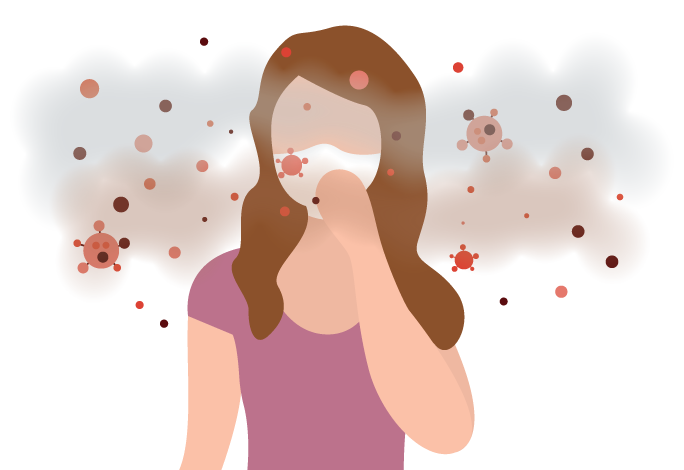
The Hidden Impact on Workers
Even short-term exposure to poor air quality can lead to:
Eye, nose, and throat irritation
Coughing or shortness of breath
Headaches, fatigue, or dizziness
Beyond physical symptoms, smog can reduce concentration and energy levels—making mistakes, slower reaction times, and safety incidents more likely. For workers with respiratory or cardiovascular conditions, the risks are even greater.
Who Is Most at Risk?
Higher exposure is more likely for workers who:
Spend time outdoors or in loading areas
Work near idling vehicles or equipment
Operate in spaces with open doors or limited ventilation
Even indoor environments like warehouses, garden centres, or retail spaces with open bays can be affected, as outdoor pollutants easily enter the workspace.
What Can Employers Do?
Managing smog exposure starts with awareness and planning. Practical steps include:
Monitoring local air quality alerts
Adjusting schedules to avoid peak smog periods
Rotating workers to limit exposure time
Moving tasks indoors where possible
Increasing rest breaks in cleaner air environments
Reducing unnecessary vehicle and equipment idling
Just as important is education. Workers should know how to recognize symptoms and feel comfortable reporting them early. Supervisors should remain alert—especially during hot weather, when heat and air quality risks can combine.
Key Takeaway
If the air quality isn’t safe, the work environment isn’t either.
Smog may be invisible, but its effects are not. Treating air quality as a workplace hazard—just like any physical risk—helps protect workers, prevent avoidable incidents, and keep operations running safely and effectively.